This website uses cookies to ensure you get the best experience on our website. Read more


AI ROI? Starts With Upskilling Your Team

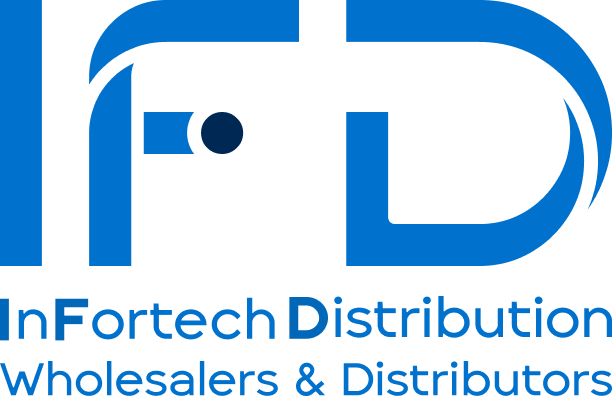
Is AI really all that it’s hyped to be? Teams are lacking the skills to carry AI through causing roughly 65% of organisations have abandoned AI projects. In other words, investments in AI tools and platforms are being wasted, not because the technology falls short, but because teams aren’t equipped to use it effectively.
Why Skills Matter More Than Software
Buying an AI platform without training your workforce is like purchasing a fleet of aircraft without hiring pilots. The technology is ready, but without skilled operators, it never leaves the ground.
That mismatch is costly. AI projects that stall represent sunk costs in licensing and integration work. Worse, the delay compounds over time, so the longer it takes to embed AI into day-to-day processes, the further behind competitors an organisation falls.
By contrast, investing in upskilling now compounds in value. A workforce confident with AI not only reduces failed projects but also generates efficiencies, new income streams, and innovations that surpass training costs.

The Cost of Waiting
Research shows that 8 in 10 women and 6 in 10 men work in roles susceptible to AI disruption. That doesn’t mean jobs will disappear overnight, but it does mean the nature of work will shift dramatically.
Organisations that delay training expose themselves to two risks:
Workforce displacement without adaptation: Employees unable to use AI tools may see their roles shrink or vanish.
Missed competitive advantage: Rivals who invest early will capture efficiencies and innovations that late adopters can’t easily catch up to.
The cost of waiting is higher than the cost of acting.
How to Train Your Team in AI
The good news is that training doesn’t have to mean halting operations or straining budgets. Organisations can take a practical approach that grows skills alongside existing work.

Foundational AI Literacy
Accessible training, via short workshops or online courses, is the best first step for your teams. Explaining what AI is and what it isn’t helps to reduce fear and build confidence while creating a culture where employees see AI as a tool, not a threat.
Role-Specific Upskilling
Not every employee needs to become a machine learning engineer. Tailor training to roles like analysts with data interpretation skills, marketers exploring AI-assisted content tools, and IT teams diving into model management. Customisation makes learning directly relevant.

Hands-On Practice
The fastest way to build confidence is through practical use. Trial projects where teams experiment with AI tools in existing workflows to help build momentum.

Communities of Practice
Internally, AI “experts” can lead lunch-and-learn sessions, share resources, and mentor colleagues. Peer learning creates sustainable skill growth and prevents knowledge from being siloed.

Continuous Learning, Not One-Off Courses
AI is evolving rapidly. Upskilling should be framed as ongoing professional development, with regular refreshers and opportunities to learn about new tools and regulations.
The most effective strategies combine all these approaches, weaving training into the daily fabric of work.
Upskilling as Economic Strategy
The right training in AI is a must for your company that has direct ROI implications.

Reduced project waste
Fewer abandoned initiatives mean higher return on every AI investment.

Faster adoption curves
Skilled teams integrate new tools more quickly, realising benefits sooner.

Innovation dividends
Employees empowered with AI knowledge are more likely to find creative uses.

Resilience against disruption
Rather than fearing automation, workers co-create with it.

Future-Ready Organisations Start Here
AI is offering a path forward for small businesses, governments, and enterprises alike. To modernise services and stay competitive in a turbulent economy, training your team and working with the best tools is a must.
Companies that treat upskilling as a cornerstone of their AI strategy will avoid sunk costs and build smarter, more resilient teams capable of shaping the future of their industries.
AI doesn’t just demand investment in machines; it demands investment in people. And the organisations that move early will be the ones that thrive in the years ahead.