This website uses cookies to ensure you get the best experience on our website. Read more


Power Bills and Productivity: How SMEs Are Tackling Rising Energy Costs
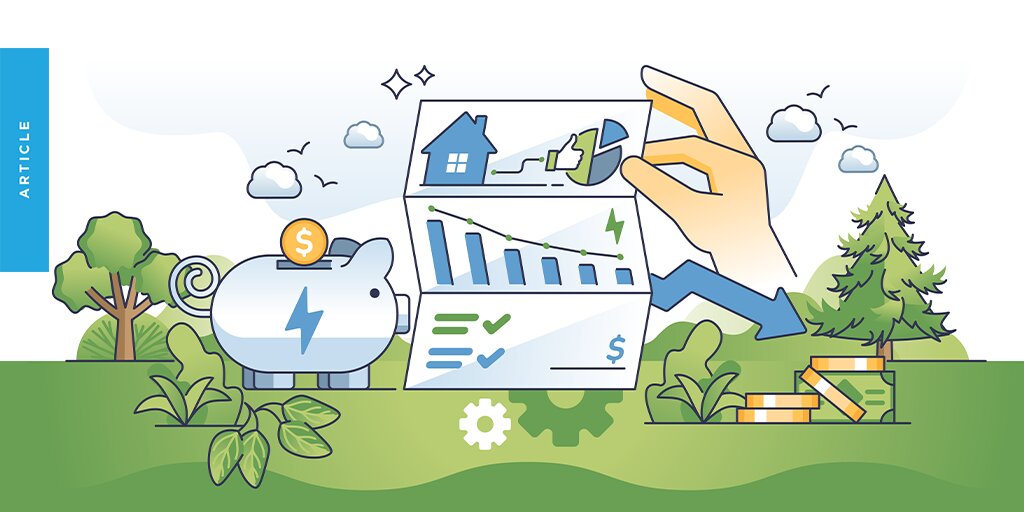
Rising energy bills are hitting businesses hard—from New York to Vancouver, Sydney to Wellington. For small and medium-sized businesses, it’s not just a budgeting nuisance, it’s a real threat to margins, operations, and growth plans.
The challenge? Keeping energy costs under control without sacrificing the tools and systems your team needs to get work done. Cutting back shouldn’t mean grinding to a halt.
The upside? Technology is helping many SMBs reduce costs, work more efficiently, and stay productive—without turning everything upside down.
Here’s how.
1. Smarter Use of the Office (and the Equipment Inside It)
Many offices still operate as if every desk is full from 9 to 5—lights on all day, HVAC running at full tilt, devices left plugged in overnight.
A few simple changes can make a real difference:
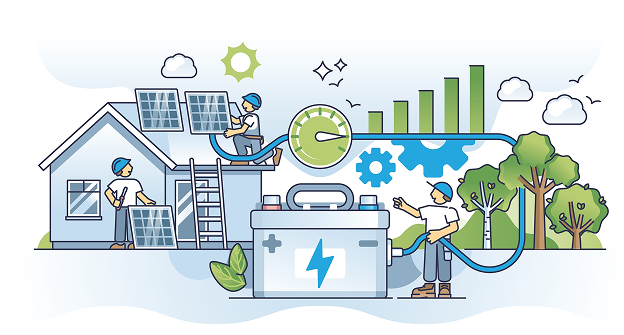
- Install motion sensors for lighting in low-traffic areas.
- Use programmable thermostats or smart HVAC controls to adjust heating and cooling based on occupancy.
- Set computers, monitors, and printers to sleep mode after inactivity.
- Add smart plugs or timers to shut off power-hungry devices after hours.
In Australia, the federal government’s Energy Efficiency Grants for Small and Medium Sized Enterprises program has helped SMBs fund upgrades like LED lighting and smart building controls. In Canada, utilities like BC Hydro offer rebates for installing smart thermostats and energy-efficient office equipment.


2. Rethinking Remote and Hybrid Work
Remote work isn’t just about flexibility anymore—it can also reduce energy costs. The fewer people in the office, the less you spend on heating, cooling, and lighting.
The key is making sure your remote setup supports productivity and security. Reliable video conferencing tools, cloud-based project management platforms, and secure VPN access are essential.
In the US, a recent study found companies can save around $11,000 per employee per year by allowing part-time remote work with much of that in reduced real estate and energy costs. In New Zealand, several councils have adopted hybrid schedules, reducing building operating hours without impacting service delivery.
3. Modern Hardware Uses Less Power
Outdated devices can drain energy and slow down work. For example, a decade-old desktop PC may use twice as much electricity as a newer energy-efficient model.
Upgrading doesn’t have to mean buying premium tech. Even mid-range laptops and monitors built in the last few years draw less power, run cooler, and integrate better with energy-saving software.
Replacing a standard office desktop and monitor with energy-rated equipment can save up to 50% in electricity use per workstation.
4. Shifting to the Cloud
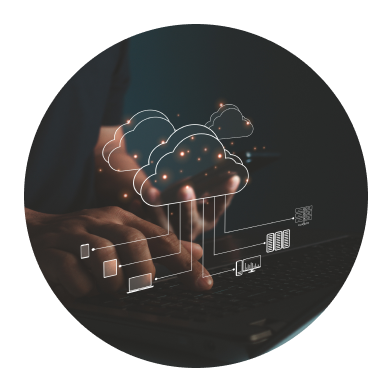
If you still run servers on-site, you’re paying for hardware, 24/7 power, and cooling. Cloud-based services move that load to data centers—many of which are designed for maximum efficiency and powered by renewables.
Major providers like AWS, Google Cloud, and Microsoft Azure have committed to 100% renewable energy in their data centers by 2030. In Canada, AWS operates facilities in Montreal that run on 99% hydropower, and in Australia, Google’s Sydney region is backed by large-scale solar agreements.
Cloud services also let you scale up and down on demand, avoiding the cost of unused capacity flexibility you simply don’t get with on-premises hardware.
5. Using Data to Make Better Energy Decisions
One of the fastest ways to cut costs is to know where your energy is going in the first place.
Smart meters, IoT energy sensors, and analytics platforms now make it easy to track usage in real time. If you see a spike at 7 p.m., you can investigate. If one floor consistently uses more power than others, you can dig into why.
In New Zealand, EECA’s Energy Management Tools help SMBs identify usage patterns and target savings. In the US, utilities like Con Edison and PG&E offer free online dashboards for commercial customers to monitor and benchmark energy use.
Final Word: Work Smarter, Not Harder
Cutting costs doesn’t mean cutting capability. It means knowing where your money’s going and making a few smart changes that reduce waste without slowing your team down.
From quick wins like smart plugs and motion sensors to bigger shifts like cloud migration or hybrid work, technology is giving SMBs in the US, Canada, Australia, and New Zealand more control over how they use—and pay for—energy.
With energy prices unlikely to drop in the short term, the businesses that act now will be better positioned in the long term. And that’s not just about savings, about staying resilient, competitive, and ready for what’s next.